

 From €430.00
South Red Sea
Marsa Alam tours & excursions
Quiet beaches and remote reefs known for turtles, dolphins, and wide-open seascapes.
4 experiences
Explore Marsa Alam
Every result below is linked to this destination in the catalog.
What you see in Marsa Alam
- Abu Dabbab
- Dolphin House
- Wadi El Gemal
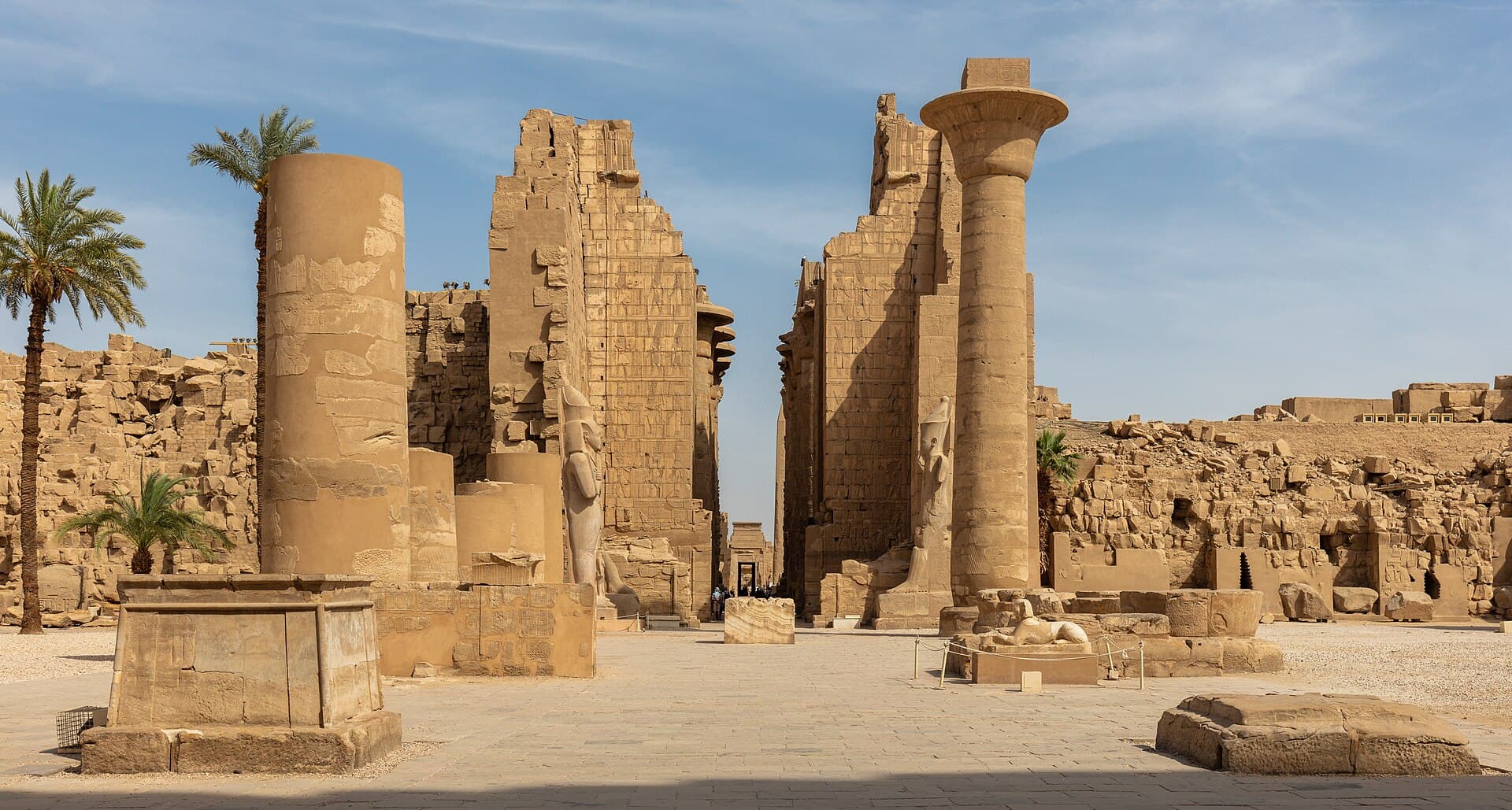
- Karnak
- Hatshepsut
- Valley of the Kings
- Motor boat over the Nile
- Port Ghalib marina
- Two or three snorkeling stops
- Guides on board
- Old mosque
- Church
- Old marina
- Old town
- Grand Egyptian Museum
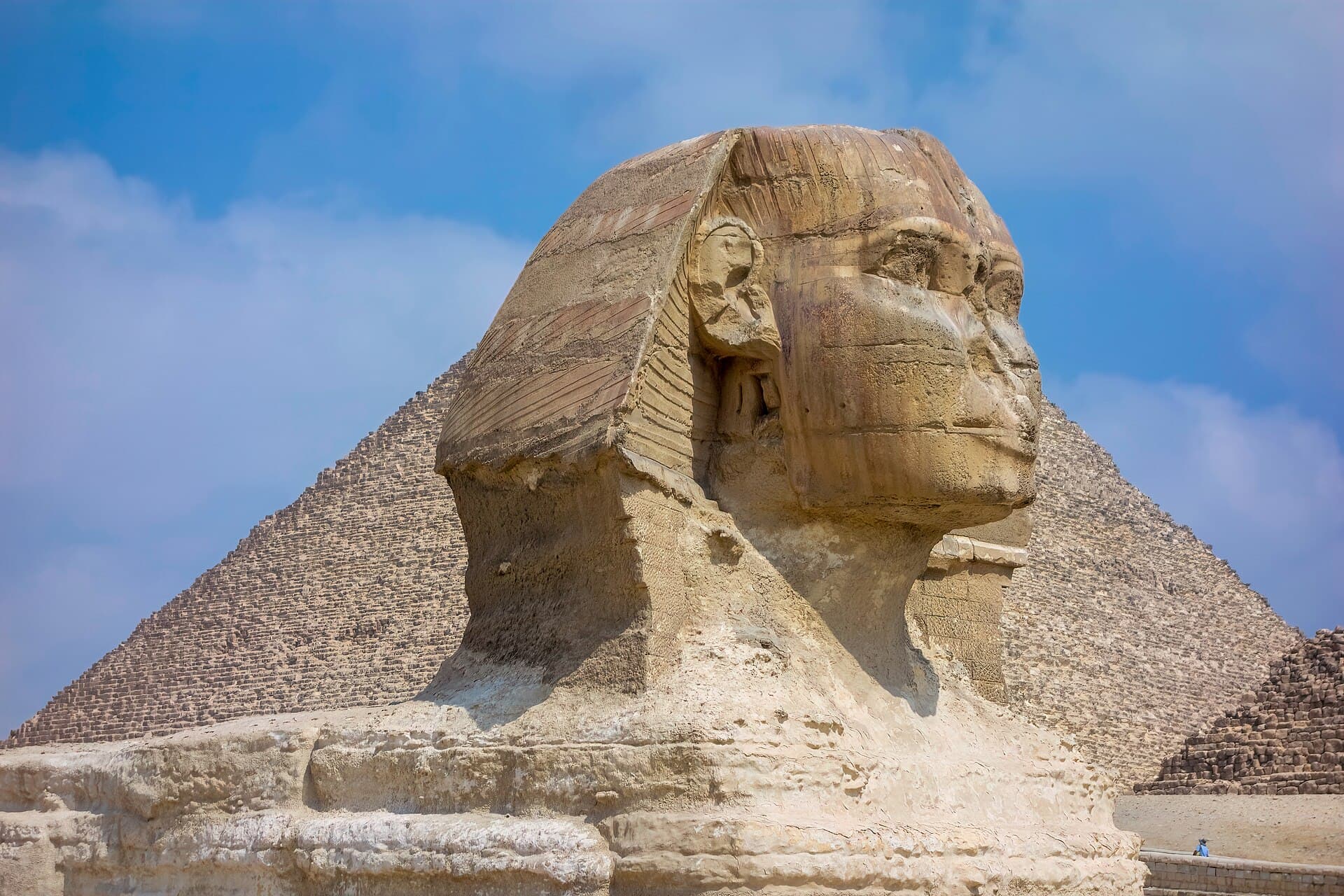
- Pyramids of Giza
- Marsa Alam marina
- High Dam
- Philae Temple
- Unfinished Obelisk
- Sharm El Luli
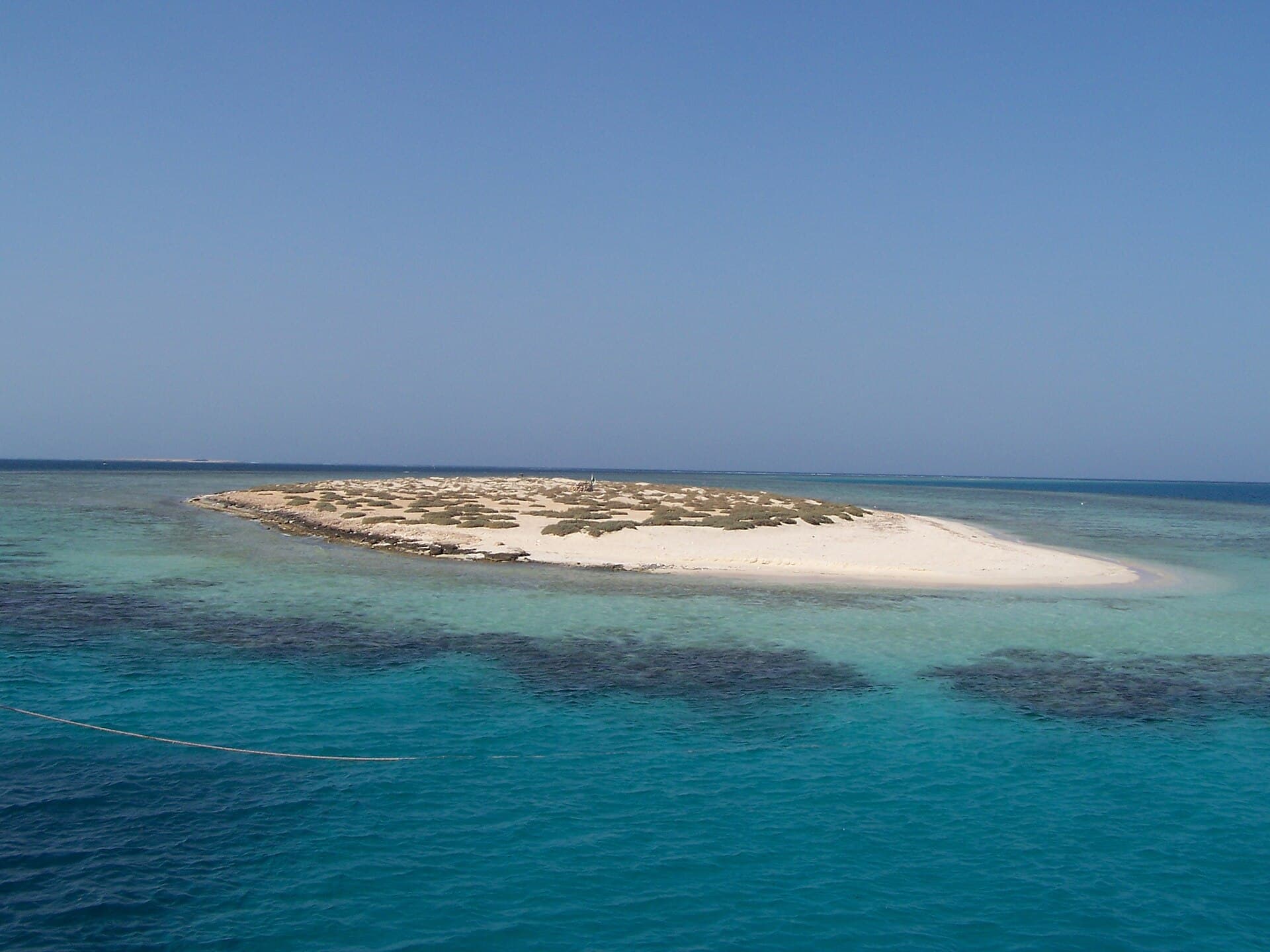
- Qulaan island
- Abu Dabab beach
- Port Ghalib
The place
About Marsa Alam
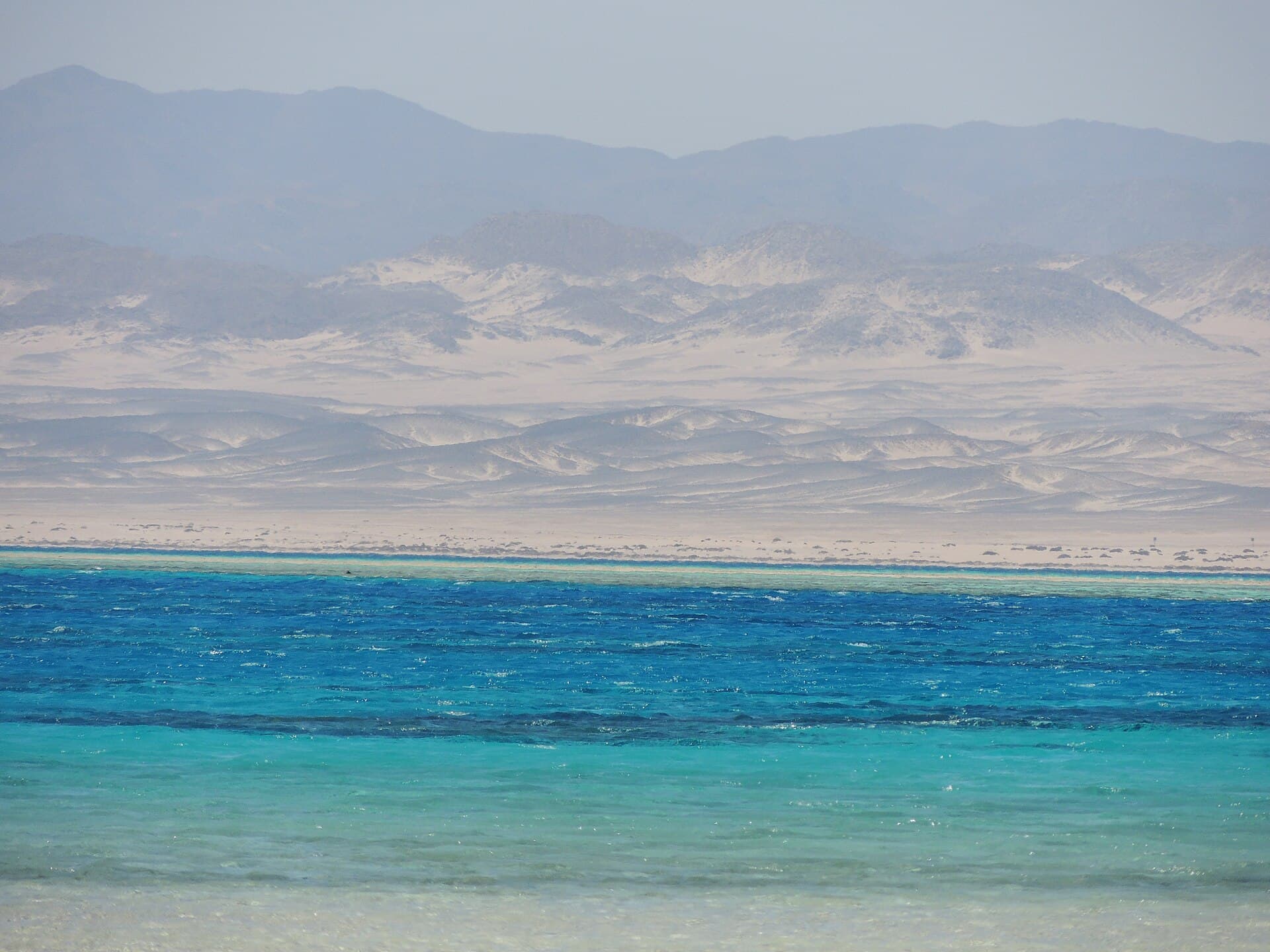
Marsa Alam sits far enough south that the reefs never had the traffic the northern Red Sea got, and it shows. Abu Dabbab is the bay people come for: a shallow seagrass meadow that green turtles graze on, and one of the few places in Egypt with a reliable chance of seeing a dugong. Offshore, Elphinstone Reef is a serious dive, a submerged pinnacle with steep walls and strong current, known for oceanic whitetip sharks in autumn.
Inland, Wadi El Gemal National Park covers a stretch of desert, mangrove and coast that is still home to Ababda communities. It is the counterweight to the resort strip, and worth a day if you want to see the region as something other than a dive base.
When to go
Warmest water and best big-animal odds are late summer into autumn. Winter is calmer above water and still very divable. The desert is at its most pleasant between November and March.
Getting there
Marsa Alam International (RMF) is close, and most transfers to the resort strip are under an hour. Port Ghalib, the marina town, sits a few kilometres from the airport.
Good to know
- Abu Dabbab is a protected bay; the turtles and dugongs are wild animals and touching or crowding them is prohibited.
- Elphinstone is a current dive and is not appropriate for inexperienced divers.
- The strip is spread out, so distances between hotels and dive sites are longer than they look.
On the day
What trips from Marsa Alam cover
Every stop below comes from the itineraries in the live catalog.
Luxor over day
Karnak, Hatshepsut, Valley of the Kings, Motor boat over the Nile.
Marsa Mubarak snorkeling trip
Port Ghalib marina, Two or three snorkeling stops, Guides on board.
El Quseir city tour
Old mosque, Church, Old marina, Old town.
Cairo over day
Grand Egyptian Museum, Pyramids of Giza.
Dolphin House Marsa Alam boat trip
Marsa Alam marina, Two or three snorkeling stops, Guides on board.
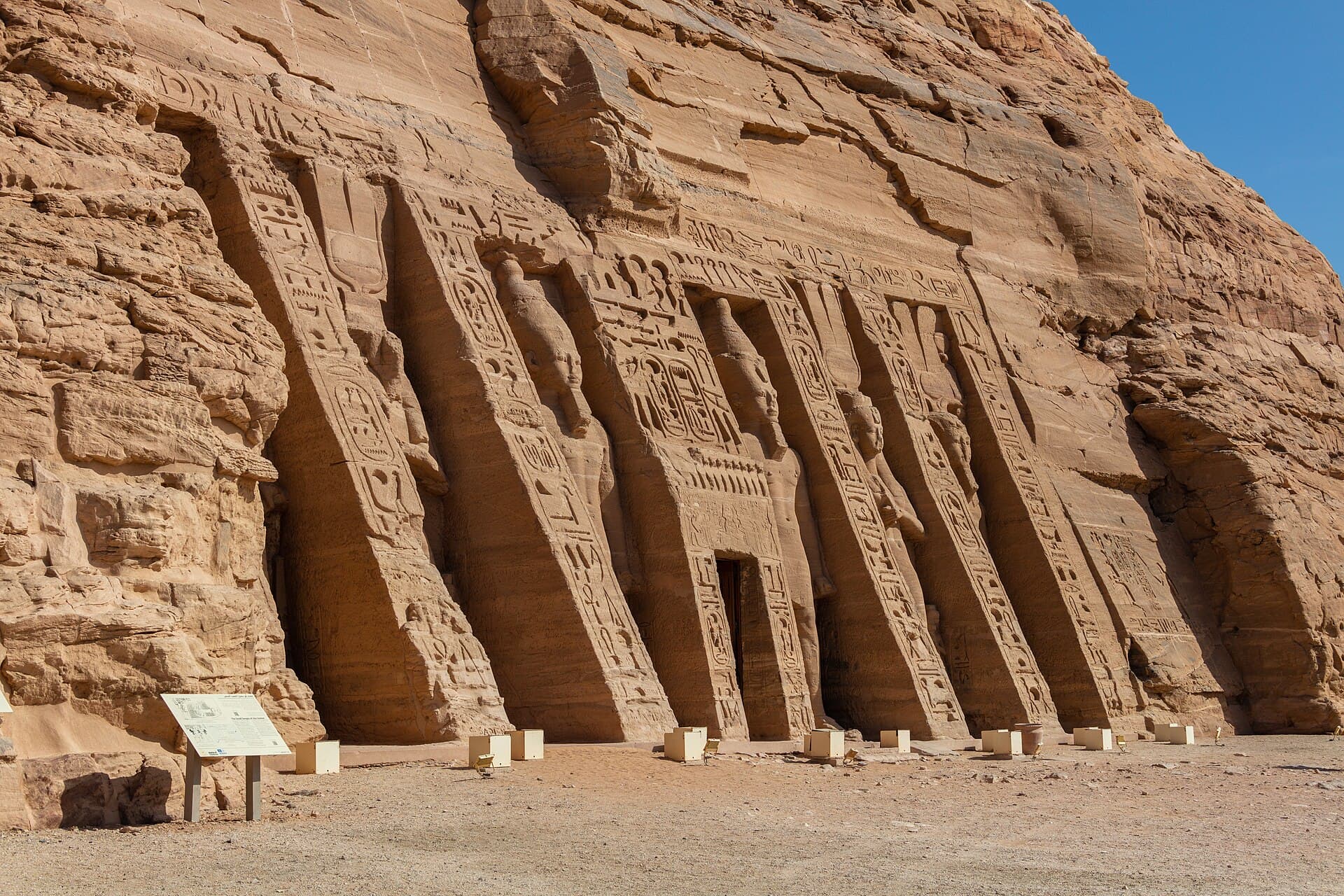
Aswan and Abu Simbel over night
High Dam, Philae Temple, Unfinished Obelisk.
Dolphin House reef boat trip
Two or three snorkeling stops.
Sharm El Luli and Qulaan island snorkeling
Sharm El Luli, Qulaan island.
Abu Dabab beach
Abu Dabab beach.
Port Ghalib sightseeing
Port Ghalib.
Trips from Marsa Alam also visit Luxor, Port Ghalib, El Quseir, Cairo and Aswan.
Before you book
Marsa Alam questions
- What is there to see in Marsa Alam?
- Trips from Marsa Alam take in Abu Dabbab, Dolphin House, Wadi El Gemal, Karnak, Hatshepsut, Valley of the Kings, Motor boat over the Nile and Port Ghalib marina.
- How many trips run from Marsa Alam?
- 4 experiences are bookable right now, with live availability and per-person prices.
- What time do trips from Marsa Alam leave?
- The earliest departure is 01:30 and the latest return is 22:00. Exact times are on each trip page.
- What is included on trips from Marsa Alam?
- Across the trips running from here: Guide in the guest's language, Entrances, Lunch, Motor boat over the Nile, Guides on board, Guide, Lunch for 2 days and Shopping. Each trip page lists exactly what its own price covers.
- Where else do trips from Marsa Alam go?
- The same trips also visit Luxor, Port Ghalib, El Quseir, Cairo and Aswan.
South Red Sea
More places in the South Red Sea
Same coast, different base for the week.