

Upper Egypt
Luxor tours & excursions
Ancient temples, royal tombs, and Nile-side mornings in the world's greatest open-air museum.
15 experiences
Explore Luxor
Every result below is linked to this destination in the catalog.
What you see in Luxor
- Karnak Temple
- Valley of the Kings
- Nile sunsets
- Karnak
- Hatshepsut
- Motor boat over the Nile
- Port Ghalib marina
- Two or three snorkeling stops
- Guides on board
- Old mosque
- Church
- Old marina
- Old town
- Quad riding
- Camel riding
- Dinner with the Bedouin people
- Luxor Temple
- Port Ghalib
- Snorkeling
- Fishing
- Safaga or Hurghada
- Grand Egyptian Museum
- Pyramids of Giza
The place
About Luxor
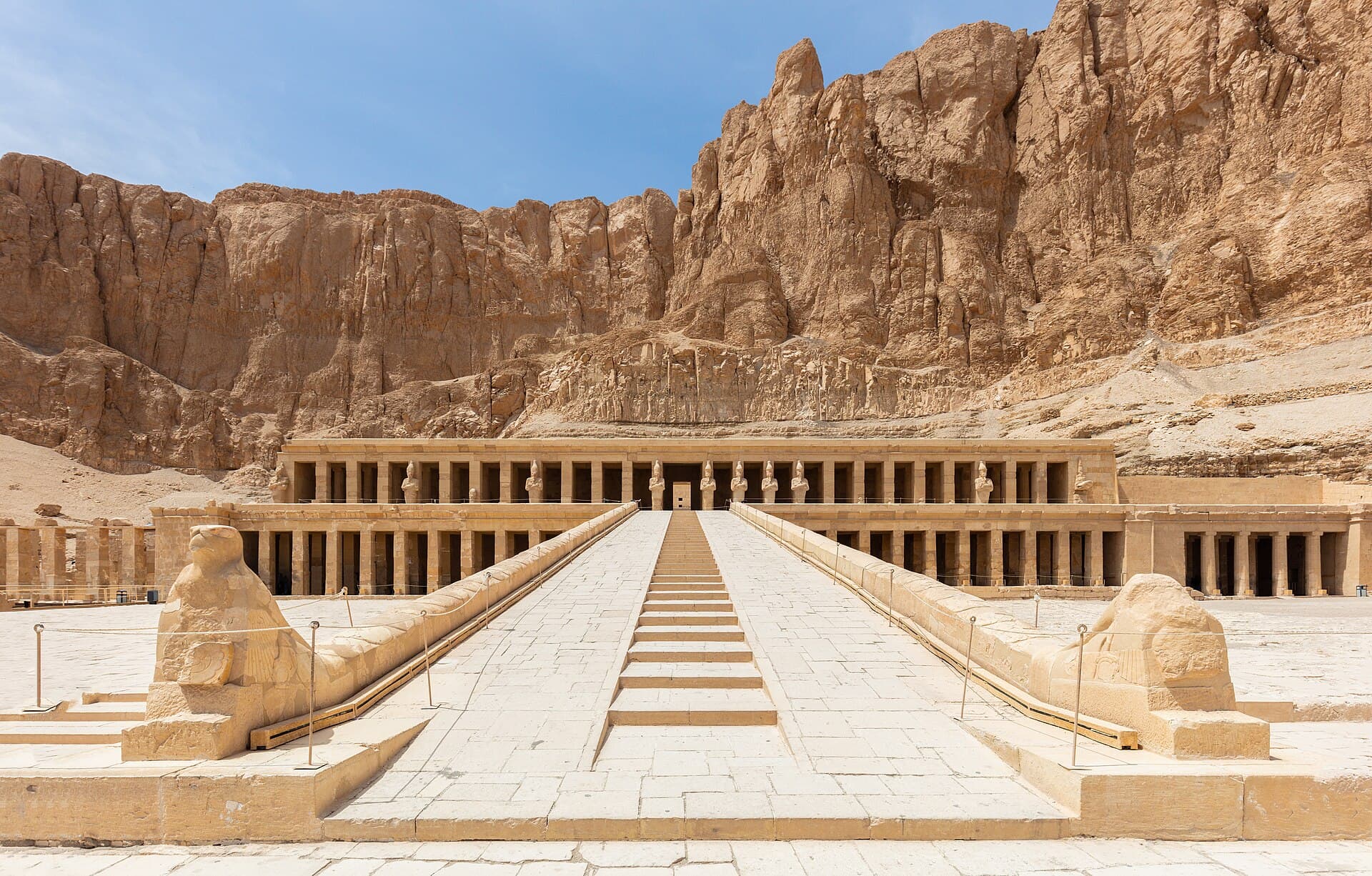
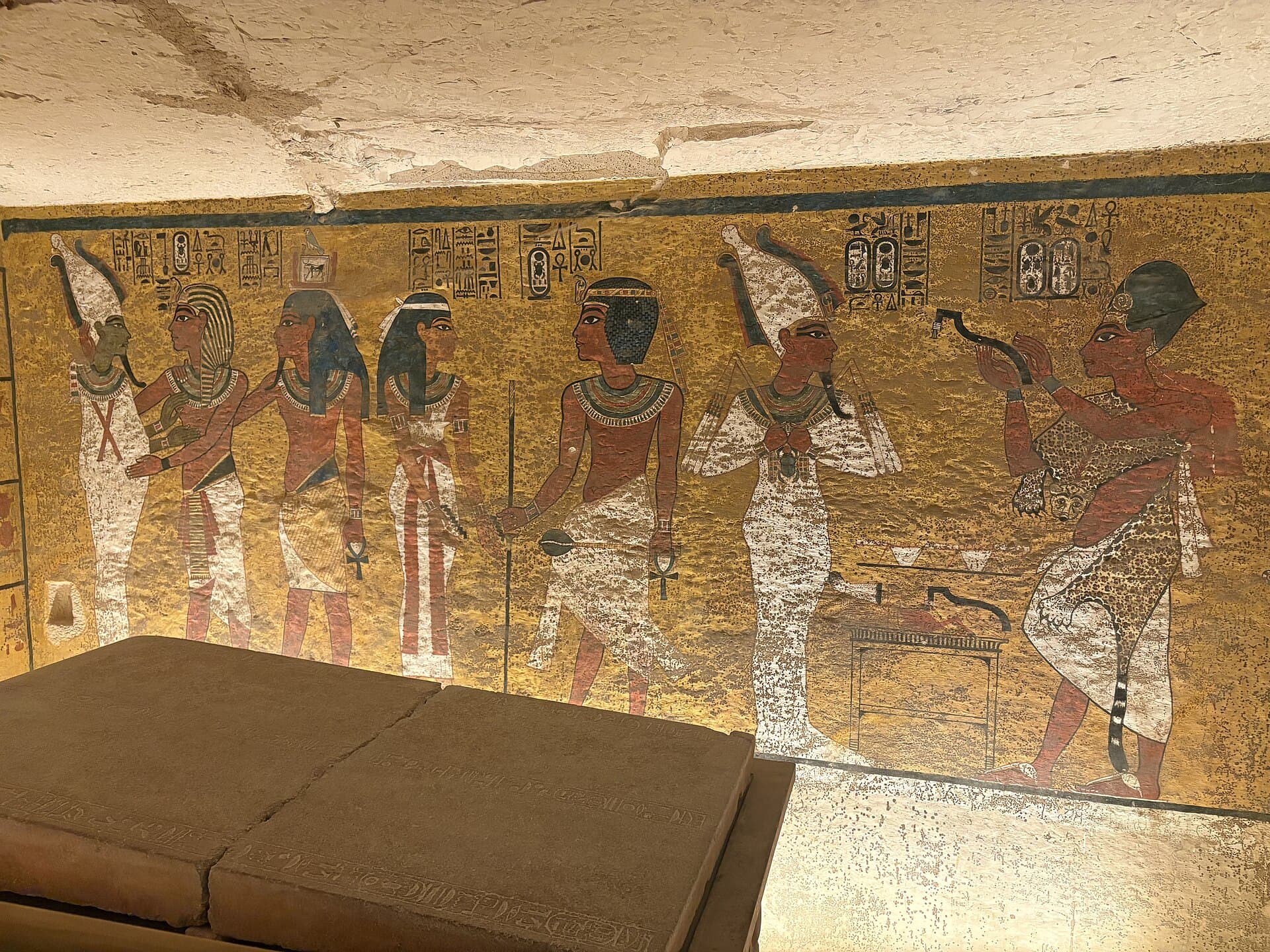
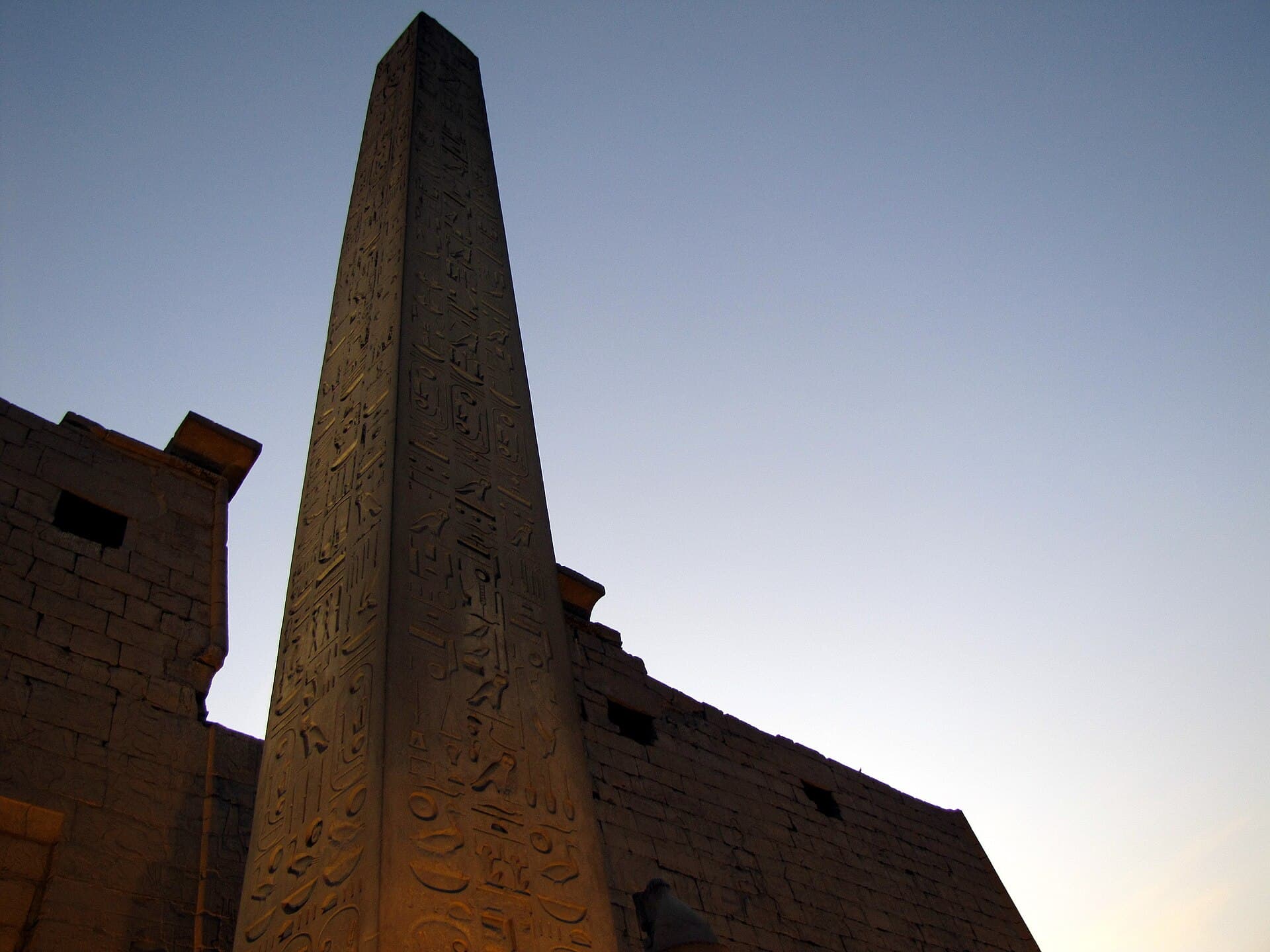
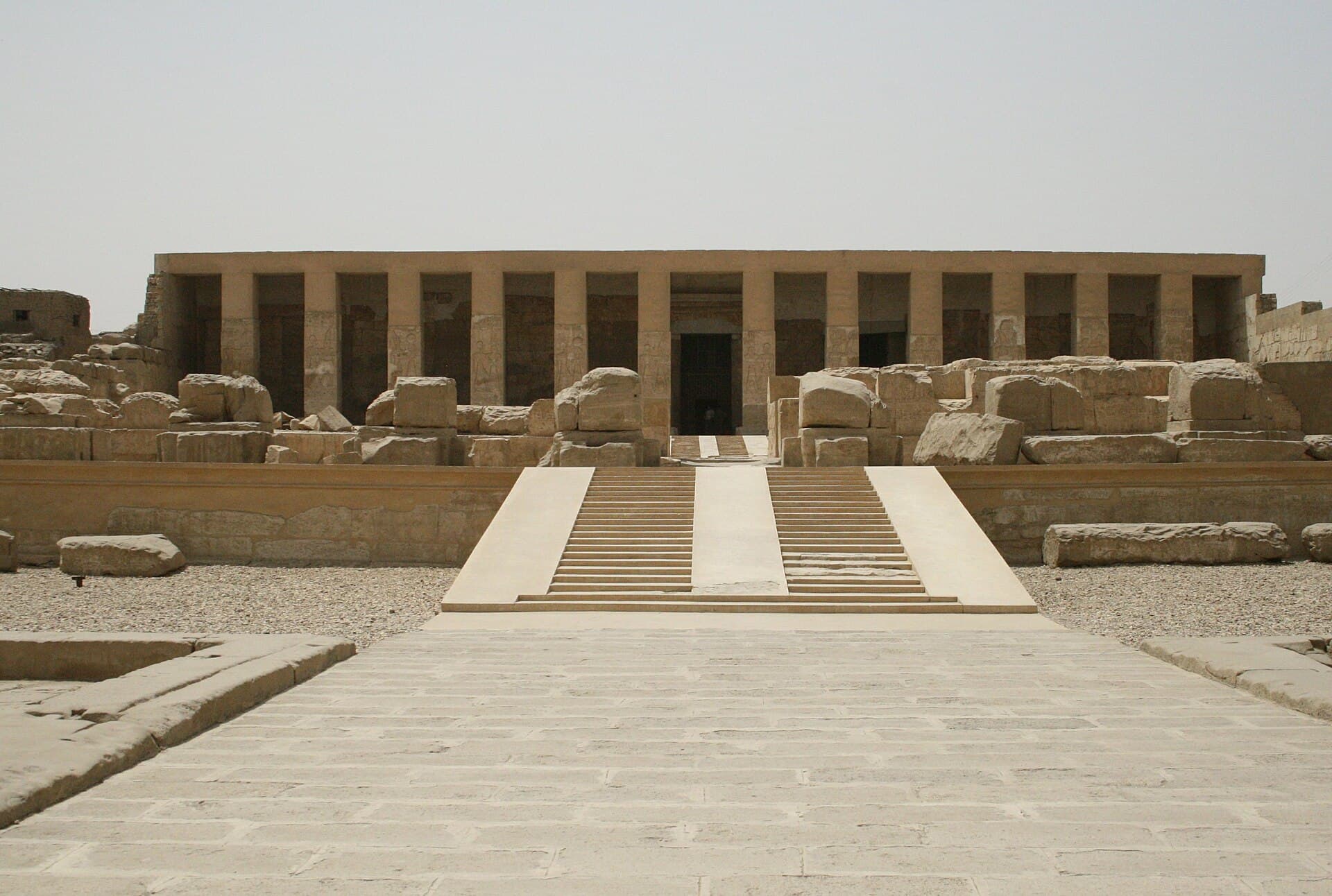
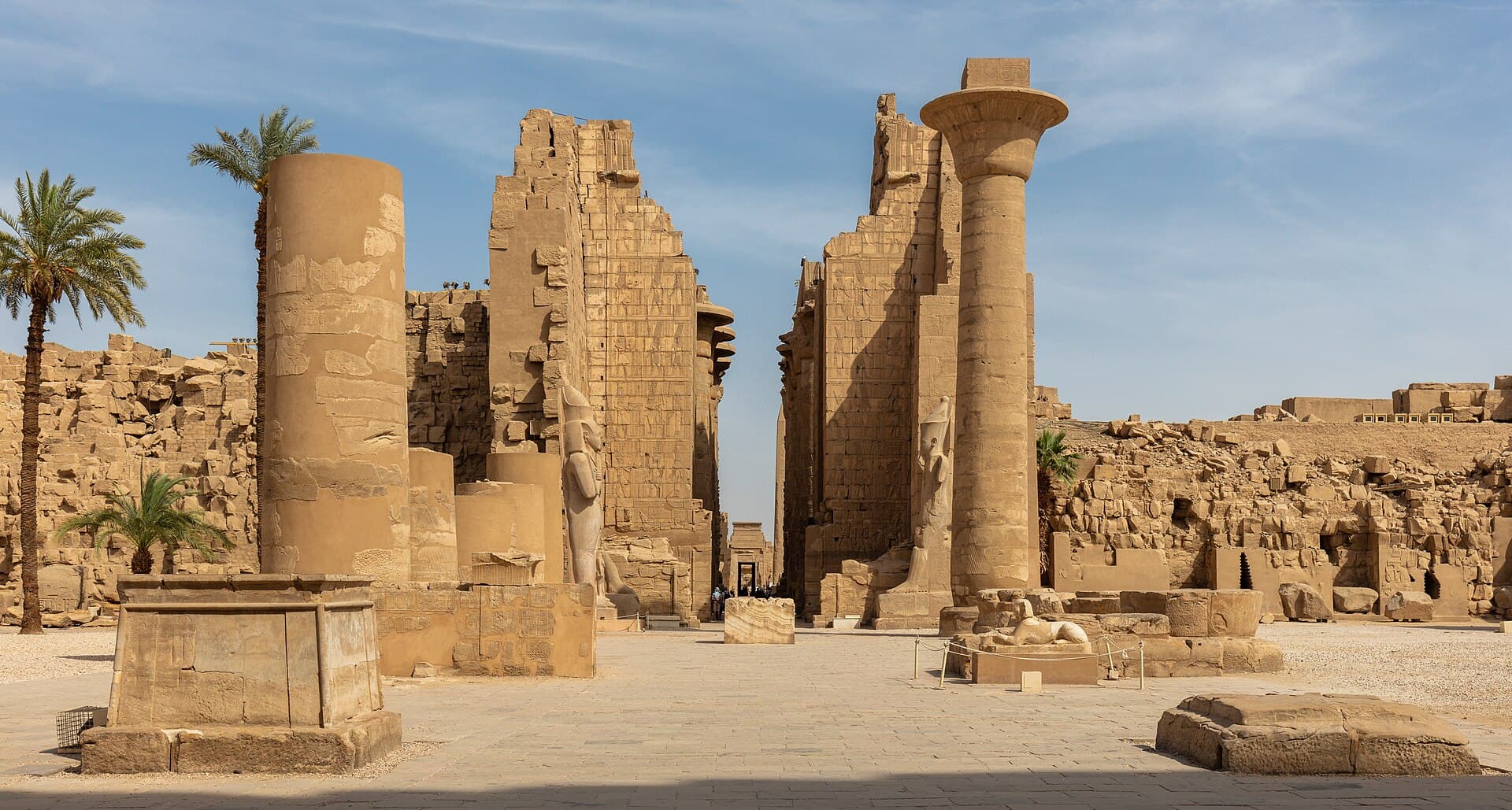
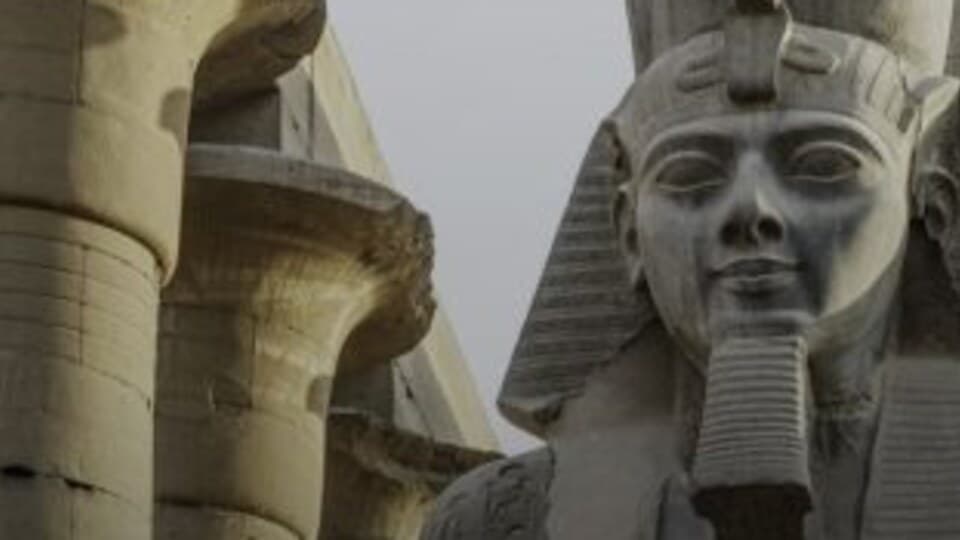
Luxor is built on top of ancient Thebes, and the split that organises a visit is the river. The east bank holds the temples of the living: Karnak, an enormous complex added to across roughly two thousand years, and Luxor Temple in the middle of the modern town. The west bank holds the dead: the Valley of the Kings, the terraced mortuary temple of Hatshepsut at Deir el-Bahari, and the Colossi of Memnon standing in the fields.
Karnak's hypostyle hall is the single most photographed room in Egypt for a reason. The scale is difficult to convey and easy to underestimate until you are standing under it.
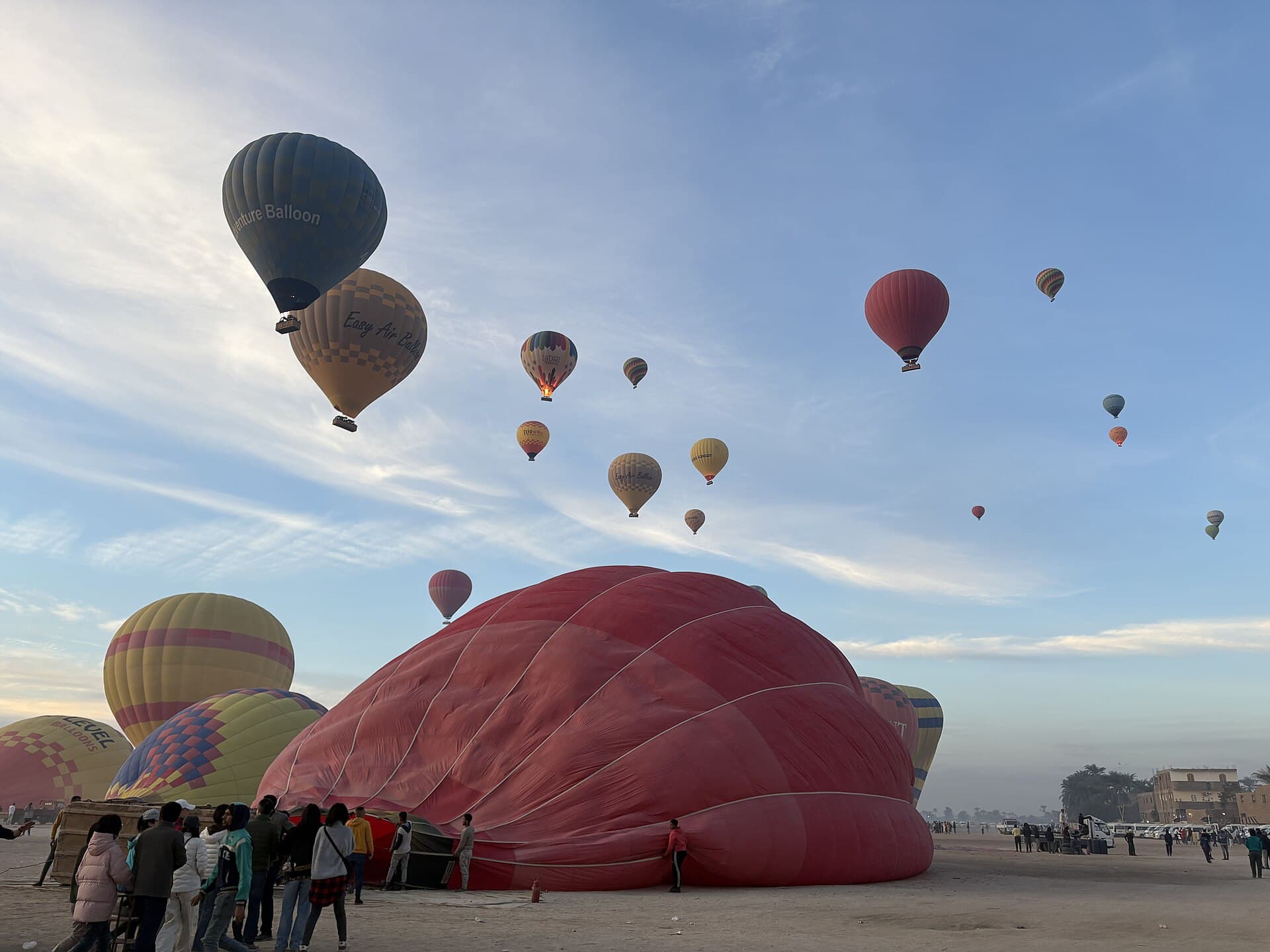
Most of the value in a Luxor day is in the timing. The sites open early, and the difference between arriving at seven and arriving at ten is the difference between a bearable morning and a very hard one.
When to go
October to April. Summer regularly passes 40°C and sightseeing becomes genuinely unpleasant by mid-morning.
Getting there
From the Red Sea coast it is a long road crossing of the Eastern Desert, which is why day trips leave before dawn. Luxor also has its own airport and a Nile-side rail line.
Good to know
- Valley of the Kings tickets cover a rotating set of tombs; some, including Tutankhamun's, are ticketed separately.
- Photography rules differ tomb by tomb and are enforced.
- Bring more water than you think you need, and a hat with a brim.
On the day
What trips from Luxor cover
Every stop below comes from the itineraries in the live catalog.
Luxor over day
Karnak, Hatshepsut, Valley of the Kings, Motor boat over the Nile.
Marsa Mubarak snorkeling trip
Port Ghalib marina, Two or three snorkeling stops, Guides on board.
El Quseir city tour
Old mosque, Church, Old marina, Old town.
Super safari
Quad riding, Camel riding, Dinner with the Bedouin people.
Luxor over night
Karnak, Hatshepsut, Valley of the Kings, Luxor Temple.
Port Ghalib sightseeing
Port Ghalib.
Roads camp snorkeling
Snorkeling.
Fishing special boat (Safaga or Hurghada)
Fishing, Safaga or Hurghada.
Cairo over day
Grand Egyptian Museum, Pyramids of Giza.
Trips from Luxor also visit Marsa Alam, Port Ghalib, El Quseir, Safaga, Hurghada, Cairo and Aswan.
Before you book
Luxor questions
- What is there to see in Luxor?
- Trips from Luxor take in Karnak Temple, Valley of the Kings, Nile sunsets, Karnak, Hatshepsut, Motor boat over the Nile, Port Ghalib marina and Two or three snorkeling stops.
- How many trips run from Luxor?
- 15 experiences are bookable right now, with live availability and per-person prices.
- What time do trips from Luxor leave?
- The earliest departure is 01:30 and the latest return is 21:00. Exact times are on each trip page.
- What is included on trips from Luxor?
- Across the trips running from here: Guide in the guest's language, Entrances, Lunch, Motor boat over the Nile, Guides on board, Guide, Quad riding and Camel riding. Each trip page lists exactly what its own price covers.
- Where else do trips from Luxor go?
- The same trips also visit Marsa Alam, Port Ghalib, El Quseir, Safaga, Hurghada, Cairo and Aswan.
Upper Egypt
More places in the Upper Egypt
Same coast, different base for the week.
 4 nights